Blogs
Keyword Search
Posts by Tag

A practical employer guide to replacing vague promises with a clear, balanced picture of the work.

Finding the right talent is important for your business to grow, but it can also be one of the most difficult. If you make the wrong hire, it can be a waste of money and productivity. At Summit Careers, we know this is why more employers are trying the temp-to-hire staffing model. Think of a temp-to-hire arrangement as a real-world evaluation period. An employee works temporarily through a staffing partner while the employer and candidate decide whether it’s a good fit. This process can benefit both the business and the employee. Eliminating the Financial Burden of "The Bad Hire" The financial impact of a mismatched placement is due to costs of background checks, onboarding time, and advertising overhead. Research indicates that a bad hire can cost 30% or more of that employee's first-year projected earnings. Under a temp-to-hire structure, the financial liability shifts significantly. Because the candidate remains on the staffing agency’s payroll during the trial period, the direct financial hit is limited. If the candidate fails to meet performance benchmarks, the assignment can be terminated without addressing unemployment claims or severance packages. True Skill Validation An interview process only reveals how well an applicant can navigate interviews. Resumes can tell great stories, but the truth comes in a real professional evaluation. The temp-to-hire framework grants managers a front-row seat to an individual's authentic work ethic, problem-solving capabilities, and technical skills during the agreed-upon trial period. Employers can assess factors such as punctuality, adherence to deadlines, and job accuracy. Cultural Alignment While someone may have all the right skills, they may not be a cultural fit for the organization. This means they don’t communicate well with the team. This can disrupt projects and upset other team members. By integrating someone into your daily work environment on a trial basis, you get a real look at how they interact with supervisors, peers, and clients. It provides the team with a preview of future collaboration. If it’s not a good fit during the trial period, it likely won't be a good fit in a permanent setting. Protecting Morale When an open position goes unfilled for months, your existing team bears the brunt of the burden, absorbing extra shifts and splitting duties. This causes burnout and spikes your attrition risk. If you rush to make a permanent hire and it is a poor fit, it sets the cycle in motion again. Temp-to-hire offers immediate operational relief. The staffing partner handles the heavy lifting of sourcing, screening, and the rapid deployment of qualified talent. Your current workforce gets the immediate support they need. Leadership gets the necessary time to evaluate the candidate's long-term fit. Budget Adjustments If your business has a slow season and a busy season, temp-to-hire roles let you scale your hiring to meet these needs. This way you can save money when you don’t need the extra help. How Temp-to-Hire Can Help Your Business Utilizing a temp-to-hire strategy takes the guesswork out of whether a new hire will be a good fit. By partnering with a dedicated staffing agency, your leadership team gains complete confidence that every permanent addition to your organization has been proven and fully aligned with your long-term vision. To learn how a temp-to-hire situation can help your company, contact Summit Careers today. We help countless companies find the right employees daily.

These days, everything is getting automated, and the hiring process is no different. With just one click, employers can post an opening to dozens of national job boards, and automated Applicant Tracking Systems can screen hundreds of resumes in seconds. While all of that sounds good on paper, many businesses are quickly realizing that something is missing. This digital hiring marketing is resulting in mismatched applications, ghosted interviews, and unqualified candidates. That is why more people are turning to local staffing agencies like Summit Careers. It is necessary to put the human element back into the hiring process. Navigating Local Markets The digital hiring market cannot account for the hyperlocal factors that influence a candidate’s actual employment choices. A regional staffing partner understands the realities of your specific market. This can include commuting barriers. A candidate might look perfect on a digital dashboard, but a local expert knows that specific transportation limitations may be difficult. Hiring this person may result in high turnover. Local staffing agencies understand exactly what neighboring facilities are offering in real time, helping you put together a compensation package to secure top talent. Sifting Through Unqualified Candidates Digital hiring platforms have made applying for a job so easy that it has created an unprecedented volume of noise. HR departments are routinely flooded with hundreds of generic resumes generated or enhanced by AI tools. This can make it hard for employers to find the real deal. Local staffing agencies can find the real treasures. Instead of relying solely on keyword scanning, recruiters conduct in-person or localized video interviews. They can check local references and verify hands-on skills before a candidate even comes into your office. Unlocking the Passive Talent Network Did you know that the highest-quality personnel are rarely sitting on job boards all day? Instead, they are typically working steadily. But they keep lines of communication open with trusted local recruiters whom they have known for years in case the perfect job opens up. By doing this, you don’t miss out. A local agency relies heavily on word-of-mouth referrals and professional trust. When an urgent or highly specialized need arises, a local recruiter doesn't just post an ad and wait; they pick up the phone and call professionals they know who are ready to make a move for the right opportunity. Quick Hiring When a production line faces a sudden spike, a key employee unexpectedly leaves, or a major seasonal project gets the go-ahead, you need qualified employees ready to work now. In a digital hiring market, the process has to play out. This takes time you don’t have. When you lean on local staffing groups, they have pre-screened talent that is ready to move. Because background checks, basic onboarding orientations, and skill verifications are already completed, a local partner can often deploy reliable personnel right away. Building Accountability When you totally rely on a digital job platform, there is no accountability. If a candidate leaves after three days, the digital job board is not there for you. Local agencies operate on building relationships and accountability. If a placement doesn't work out, a local representative can come directly to your facility to assess what went wrong and do their best to make it right. They aren't just an app; they actively contribute to your operational success. If you succeed, it also helps build their credibility. Contact Summit Careers Today Digital tools are highly effective for tracking metrics, but they cannot replace regional relationships, human intuition, and local community presence. By partnering with a dedicated local staffing agency, such as Summit Careers, your organization gets the best of both worlds. We employ modern recruitment efficiency with the deep regional knowledge you need to build a stable, long-term workforce. Contact Summit Careers today and experience the difference.

If you’ve ever applied for a university job, you know that the process can be painstakingly slow. With search committees, multi-stage interviews, dean approvals, and more, a lot goes into the process. But taking too much time can kill the recruitment strategy. You may be missing out on high-quality candidates because the process is taking too long. While your committee is scheduling its third follow-up meeting, your top candidate has just accepted an offer from another institution that moved more quickly. This is just one of the reasons why speed matters in the hiring process. What Happens When the Hiring Process is Too Slow Here are some other factors to consider and why you want to speed up the process: The "Top-Tier" Candidate Pool Shrinks Instantly The most exceptional candidates are rarely available for long. When an institution takes weeks or months to decide whether to move forward with a candidate, it will lose them. Top-tier candidates often have their eggs in more than one basket. By the time a slow-moving department is ready to extend an offer, their top two or three choices are frequently already off the market. You aren't choosing from your best candidates anymore; you are choosing from who is left. Slowness Signals Bureaucracy The hiring process says a lot about an institution. If the process is dragged out and disorganized, a candidate may think twice about working there. If a candidate experiences radio silence, delayed scheduling, and endless administrative hurdles before they are even hired, they will assume that the university works at this slow pace as a whole. If the process is fast and clear, it can set a good precedent of what’s to come. The University Suffers When a search fails because the department was too slow to land its top candidates, there are severe consequences. A failed search can result in existing faculty bearing the extra workload, strategic initiatives being put on hold, and stalling departmental growth. How to Accelerate The Timeline Accelerating your hiring timeline does not mean lowering your standards. It means optimizing the logistics. Establish Hard Deadlines Before the Search Begins Committees often stall because they try to build the schedule as the search progresses. Instead, map out the entire search process before the job description even goes live. Secure dates for committee reviews, first-round interviews, and campus visits on faculty calendars months in advance. This will help to keep you on track. Define What Consensus Means Does consensus mean absolute, 100% agreement on every detail? Or does it mean that everyone has been heard, and a clear majority agrees on a candidate's viability? Endless debate often happens because committees confuse unanimity with consensus. Establish the voting and decision-making rules early. Empower the Search Chair If there are too many cooks in the kitchen, your hiring process will never move forward. Give the search chair the authority to keep the committee moving forward. If a committee member misses a feedback deadline, the process must move on without them. By keeping these factors in consideration, you can help to move the hiring process along so you don’t miss out on excellent candidates. If you need help with the hiring process, Summit Careers is here to help. We have a database of resumes from people seeking their next job in academia. Reach out to us today to learn more!

When filling academic support roles, there are two main ways institutions can approach the hiring process. They can look for people with the technical skills for the position, or they can favor those who fit more closely with the school's culture, thereby fulfilling the institutional fit. Hiring to fit each area specifically can have its benefits. Of course, if you can find someone who fits both roles, it is a major win-win. The Immediate Impact of Technical Skill Hiring people with strong technical skills has many benefits. These types of skills can be difficult to teach if people don’t already know them. Consider these perks: Reduced Training Time: An extremely tech-savvy person can start right away. They are already familiar with your software system and know how to get the job done. If you hire someone who knows what they’re doing from the start, you reduce training time and cost. Relieving Team Burnout: Hiring someone with all the technical skills the job requires can reduce team burnout. The new person can serve as a much-needed leader, reducing stress. Hard-to-Teach Competencies: Teaching specific technical skills to someone can be extremely difficult. If they know how to do these things from the start, it is a major bonus. While all of these are major benefits of hiring someone with technical skills, they may not have the soft skills to blend with the academic culture. So, for all of the technical skills they bring to the table, they may alienate themselves from the rest of the staff. Finding the Right Institutional Fit Hiring someone with the right institutional fit means this person understands the institution's unique mission, even if they do not possess all the technical skills for the job. This brings many benefits to the table. Can Navigate Difficult Areas: A candidate with high emotional intelligence (EQ) and strong cultural fit understands how to work with others and can navigate otherwise difficult areas. Mission Alignment: Having the right academic support staff is important for student retention. Hiring someone who genuinely and instantly connects with the institution’s demographics can bring something to the table that you may not be able to find on a resume. Long-Term Retention: Employees who feel a connection to an institution's mission are far more likely to stick around, reducing the costly, exhausting cycle of turnover. When you rely too heavily on the institutional fit, it can stifle innovation and creativity. These people fit so well that there may be no room for growth or new ideas. How to Get the Best of Both Worlds The reality is that hiring managers shouldn’t have to choose between the two. The goal should be to find someone with a reasonable technical background and the skills to be the right institutional fit. To achieve this goal, hiring managers should employ these strategies: Know What Type of Job Fit You’re Looking For Truly look at what the institutional fit means for this specific role. These should be necessary competencies. Use Behavioral and Scenario-Based Questions Asking the right questions will get you the right answers. Instead of asking simple yes-or-no questions, ask questions that prompt a candidate to describe a scenario. This measures their technical strategy in how they approach the answer, as well as their cultural emotional intelligence. Determine Trainability If a candidate lacks a specific technical skill but checks all the other boxes, consider their trainability factor. Have they been able to learn new skills quickly in the past? If so, this proven ability to learn can balance a temporary skill gap. The Bottom Line As you navigate hiring for institutional fit versus technical skill, remember that soft skills like empathy and resilience can be taught. With technology constantly evolving, skills must always be taught and learned. If you can find someone who believes in your mission, you can build a training program to support them. At Summit Careers, we work with candidates and academic institutions in the hiring process. Reach out to us today to learn more about how we can help you find your next career move or discover your new employee.

Hiring managers in the manufacturing field are facing a dilemma they may never have faced before. Many are wondering, do you hire for experience or for attitude? Consider this scenario: Do you hire the veteran operator with twenty years of experience but a "this is how we’ve always done it" mindset? Or do you hire the eager newcomer who doesn’t know a CNC machine from a drill press but shows up ten minutes early with a notebook in hand? While many would have quickly answered the experience, these days the tide is turning. More companies are looking beyond what a person knows. They want to look at how they learn and act. The Experience Paradox: When Knowledge Becomes a Liability Experience is extremely valuable. People need to know how to get the job done. But experience can sometimes work against some people. Someone with decades of experience may be resistant to new software, lean manufacturing pivots, or updated safety standards. They may think that they know it all, so what more do they need to learn? This attitude can hurt both the worker and the company. If someone’s experience comes with an ego and they refuse to collaborate and learn, their net value to the company often decreases. Why Attitude is Becoming More Important In manufacturing, attitude isn't just about being friendly at the water cooler. It also includes traits such as adaptability and reliability. You can teach someone how to use a new piece of equipment. You can’t teach someone how to take initiative, care about their work, or show up on time. This is all about the attitude. When you hire for attitude, you are working to maintain the retention rate. Many people are fired for their poor teamwork, refusal to follow instructions, and attendance issues. Find the Right Balance Between Attitude & Experience If you hire only for attitude and have zero experienced leads, your production will stall. The most successful manufacturing firms strive to find the right balance. Here are some ways to do this: Rewrite the Job Description: Instead of listing “5 years of experience”, emphasize a “proven track record of reliability”. This shifts the focus from experience to include attitude as well. Look to Find Out More During the Interview: Instead of asking specific questions about machinery that has been used, ask how they learn new processes. The answer to this question will tell you more about them than whether they can operate a piece of machinery. You may also want to consider a job mentorship program where new hires shadow an experienced worker. This can help those with fewer skills, but a great attitude, get more on-the-job experience. While everyone may be able to gain experience, not everyone can always maintain the right attitude. How do companies make it work? Companies need to consider stopping hiring for what people did and start hiring for what they are capable of doing. If you need help finding the right manufacturing candidates to fill your roles, Summit Careers is here to help. We have a growing list of resumes from people who want to work for you today. Contact us today to learn more!
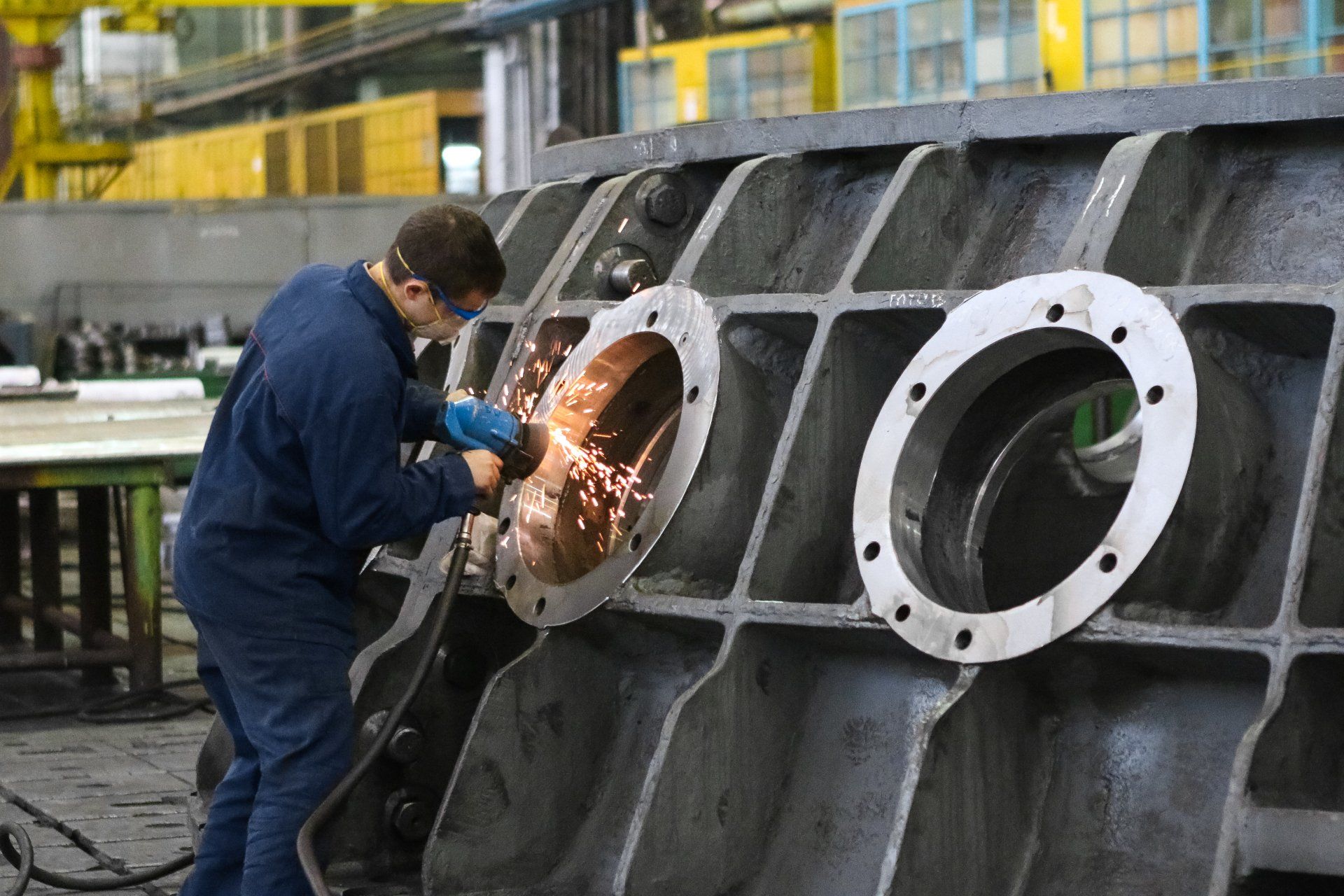
When it comes to manufacturing work, there is much emphasis these days on the shift schedule. For plant managers and HR directors, the "standard" shift is no longer just a logistical necessity; it is a primary marketing tool for recruitment and a major way to retain employees. Let’s take a closer look at how scheduling impacts hiring and retention. The Great Debate: 8-Hour vs. 12-Hour Shifts The choice between 8-hour and 12-hour rotations is the first major decision at any facility. Both have profound impacts on who applies and who stays. The 8-Hour Traditionalist Shift Pros: Easier for workers with childcare needs or those who find 12 hours of physical labor unsustainable. It fits the traditional "three-shift" (Morning, Afternoon, Graveyard) model. Cons: Frequent handovers increase the risk of communication gaps and "passing the buck" on equipment issues. The 12-Hour Modernist Schedule Pros: Employees work roughly 182 days a year instead of 273. This "built-in" time off is a massive recruitment draw for people seeking more free time for hobbies or family. Cons: Fatigue is a real risk. By hour ten, safety incidents can spike if not managed with proper breaks and ergonomic support. Hiring in 2026: While Flexibility Matters Scheduling flexibility has jumped to a top-three priority for manufacturing applicants, trailing only wages and benefits. This has manufacturers taking a different approach. Companies are implementing shift bidding and self-scheduling. Modern workforce management (WFM) software now allows employees to: Swap shifts via mobile apps without supervisor intervention. Volunteer for overtime during peak production. Set availability to protect specific days for education or family commitments. By treating the schedule as a dynamic menu rather than something set in stone, companies are attracting a younger, more tech-savvy demographic that values autonomy. Retention: Solving the Mid-Shift Burnout Retention isn't just about the hours worked; it’s about the predictability and recovery those hours allow. High turnover often stems from the physiological and social strain of rotating schedules. Moreover, the handoff between shifts can be a silent retention killer. When a night shift feels like they are being set up for failure by the day shift, morale crumbles. 12-hour schedules mitigate this by reducing the number of handovers, fostering a "two-crew" culture of mutual accountability. The Role of "Temp-to-Hire" in Scheduling These days, many manufacturers are using temp-to-hire models as a way to test scheduling. Before a worker commits to a permanent 12-hour night rotation, a 90-day trial period lets them see whether their lifestyle truly meshes with the demands of the floor. This realistic job preview significantly reduces turnover within the first 30 days. The Bottom Line As we move further into 2026, the manufacturers that thrive will be those that view scheduling not as a math problem to be solved, but as a human-centric strategy. Whether you opt for the stability of 8-hour shifts or the lifestyle benefits of 12-hour shifts, the goal is to maintain high productivity while reducing the revolving door. If you need help finding manufacturing workers , Summit Careers is here to help. We receive resumes daily from people looking to find their next career. Reach out to us today to learn more.

When it comes to filling manufacturing positions, companies are feeling the pinch of vacant positions. Data shows unfilled manufacturing roles could cost the U.S. economy $1 trillion by 2030. For an individual plant, the hidden costs of a vacancy often outweigh the salary of the person who should be there. What Vacancies are Really Costing Companies Vacancies are costing companies more than you would think when you break down the dollars and cents of it all. Experienced Workers With 26% of the manufacturing workforce aged 55 or older, every unfilled role next to a veteran worker is a missed opportunity for mentorship. When those veterans retire without a successor who has shadowed them and learned the ropes, decades of expertise are lost. Overtime Costs To meet production quotas, existing staffers must pick up the slack. This can lead to massive overtime costs and employee burnout. This can be extremely dangerous. Fatigued workers are statistically more likely to make errors or suffer injuries, driving up insurance and rework costs. Operational Costs If a maintenance job goes unfilled and machines stop working, it can lead to longer downtime, costing the company money. If a line is down for four hours instead of one because you’re short a technician, the loss can exceed thousands of dollars. Competitive Disadvantage Production delays can give competitors an advantage. While you’re taking longer to complete tasks, they’re surging ahead and taking your customers. How to Close the Gap Reducing the cost of unfilled positions requires moving from reactive hiring to proactive employee retention. 1. Data-Driven Training Instead of searching for the perfect candidate, start building them in-house. Many high-performing plants are using skill matrices to identify their gaps. By training current employees to do other tasks, you can create a more resilient, cross-trained floor. 2. Invest in Labor-Augmenting Technology In 2026, automation isn't about replacing people; it's about making the people you do have more effective. AI Resources: New AI systems can now help less experienced operators by providing real-time, natural-language troubleshooting guides based on the plant’s own historical data. This can help employees get the information they need when they need it. Collaborative Robots: These handle the more mundane tasks, allowing your human talent to focus on quality control and complex assembly. 3. Structured Onboarding Program Data shows that 30% of manufacturing departures happen within the first 90 days. To reduce this at your company, implement a structured onboarding process: Day 1: Safety-first orientation. Day 30: A "stay review" to identify friction points before the worker looks elsewhere if they are unhappy. Day 90: A clear path to the next skill level or pay grade. By showing you are taking time and effort to retain employees, they will feel valuable and will not look for a quick out. Let Summit Careers Fill Your Manufacturing Roles If you’re feeling the cost of unfilled manufacturing positions, let Summit Careers help. We work with qualified individuals seeking their next career move. Reach out to us today so we can help!

Universities are facing a troubling trend as they work to find and retain administrative talent. Many schools looking to fill IT professional, HR director, and mid-level manager positions are finding it difficult to compete with the private sector for the same positions. Why is this happening, and what can universities do? Let’s take a look. Salary Differences The most obvious hurdle is the paycheck. According to 2024–2026 labor data, while public universities have recently outpaced private universities in salary increases for senior administrators, median raises are barely keeping pace with inflation, let alone with private-sector competition. While a university may offer a stable career, the private sector may offer more money. This can steer quality talent in that direction. Universities may not be able to do much in this department, so it will remain an issue that keeps top talent away. Remote Work Options Many private-sector jobs can offer employees remote or hybrid work options. These days, this is very appealing. People want the flexibility that private sector jobs can offer. Universities are often bound to in-person jobs only. Leadership often feels that for a campus to be alive, staff must be physically present. This can deter some quality employees from these positions. Many favor remote options and will gravitate toward companies that offer them. If the private sector offers higher salaries and remote work options, universities may not be able to compete. Increasing Complexity The job of a university administrator is becoming more difficult. New financial rules and delays in federal aid have made it more difficult to work in some university departments. There are also some demands to be more AI-savvy to manage enrollment and student engagement. Some of these tasks are unappealing, leaving candidates to look to the private sector, especially if the salary is higher. How Can Universities Compete? To win back administrative talent, institutions have to change. These are some suggestions: Embrace Flexibility: Consider allowing remote work for roles that don't require face-to-face student interaction. This can be for data entry and similar tasks. Modernizing Benefits: If the base salaries can’t compete with the private sector, they can, and should. Universities can consider offering tuition help, superior health benefits, and excellent retirement options. Streamlining the Search: Academic hiring is notoriously slow. A corporate recruiter can hire an accountant in two weeks; a university search committee might take six months. By the time the offer letter arrives, the talent is gone. By speeding up the process, universities can avoid losing talent. Are you Looking to Fill University Jobs? Contact Summit Careers At Summit Careers, we hear from candidates daily looking to fill university jobs. When you partner with us, we will sort through resumes and present you with only the best candidates. Contact us today to learn more about our university staffing program and how we can help you fill your vacancies. We have helped countless universities find their top employees; let us do the same for you.

Today’s blue-collar workforce wants more than a job to pay the bills. They want a career that respects their time and gives them a future. They are looking for employers who can offer benefits that extend beyond the workday. Let’s take a look at several things that the blue-collar workforce wants in 2026 and what employers can do. A Clear Path to Growth Many blue-collar workers want a clear path to growth. They don’t want to stay stagnant in their jobs. They want opportunities for promotion, regular performance-based raises, tuition reimbursement, and more. If you can provide some of these, you may be more likely to attract quality workers to your company. Stability with Hours While blue-collar workers can’t work from home, they want something different when it comes to the hours they work and their stability. Many do not want to be “on-call” 24/7. They want to know their schedule in advance. This can lead to a better work-life balance. This can make a huge difference in keeping workers happy. Tangible Security Job security is extremely important. Workers want a guaranteed minimum number of hours. They also want equitable pay. They know how important their skills are in a tight labor market. They want to have a paycheck that reflects the rising cost of living and their skills. Restful Time Off These days, workers want long weekends and paid holidays. They want the extra paid time off for long weekends or reaching milestone employment levels. Parental leave and paid sick time are also important. Some companies also offer mental health days. These are all things that do not go unnoticed with the blue-collar workforce. Long-Term Financial Security Workers not only want to be taken care of now, but they also want to have long-term financial security. This includes retirement matching or pension contributions. Budgeting help and financial education are important as well. Any seminars or resources to better help them understand their options early are also appreciated. If they know their employer is looking out for their long-term financial goals, they will greatly appreciate it. Appropriate Inclusivity The face of the blue-collar workforce is changing. More women are entering trades like construction and transportation. They are seeking inclusion in every aspect of this workforce. Inclusivity also extends to workwear, ensuring it encompasses all body types. Workers are also seeking mentorship that establishes clear career pathways for underrepresented groups in the trades. The Bottom Line The current job market is one in which blue-collar workers want to stay in their current positions but ensure they fulfill their needs. But there are those who don’t feel like their needs are being met. This group is quietly waiting for an offer that respects all of their boundaries. If you want to attract the best-quality employees, you need a more human-centric operation. At Summit Careers, we work with employers who are seeking the best-quality employees who also possess the skills they are looking for. To learn more about our program, reach out to a Summit Careers team member today.